


logo
Grange Green

Written By:

Grange Green

icon10 Aug 2026

Dental Emergency Vs Routine Dental Problem: How To Tell The Difference

Dental Emergency Vs Routine Dental Problem: How To Tell The Difference

When something changes with a tooth, it can be hard to judge how quickly you need help. A simple rule can guide you. Severe pain, swelling, bleeding or trauma usually means an emergency. Mild sensitivity, a small chip without pain, or a lost filling that is not causing discomfort is usually routine.

At Grange Green Dental Practice in Billericay, we offer clear guidance and gentle care so you can make confident decisions. This guide explains what counts as a dental emergency, what can wait, and the sensible next steps to take.

When Symptoms Need Urgent Dental Care

A dental emergency needs prompt attention to relieve pain, control bleeding, treat infection or save a tooth. Contact us promptly if you experience any of the following.

  • Severe, persistent toothache that does not improve with pain relief

  • A knocked-out adult tooth

  • A broken or cracked tooth with pain or sharp edges cutting your mouth

  • Uncontrolled bleeding after an injury

  • Facial, jaw or gum swelling that may indicate infection, especially with fever or a bad taste

  • Trauma to the mouth or jaw

  • Difficulty opening your mouth, breathing or swallowing

If symptoms are severe or you have difficulty breathing or swallowing, trauma, rapidly worsening swelling, or you feel very unwell, seek urgent professional or medical help immediately.

For urgent dental help in Essex, our team provides clear next steps and aims to see you as soon as possible through our emergency dentistry in Billericay.

Quick Actions For A Knocked-Out Tooth

  1. Hold the tooth by the crown, not the root.

  2. If dirty, gently rinse with milk or saline. Do not scrub.

  3. If you can, place it back in the socket and bite on clean cloth.

  4. If you cannot reinsert it, keep it moist in milk or saliva.

  5. Do not reinsert a baby tooth. Seek urgent dental advice. Time is important for the best chance of saving the tooth.

Signs Of A Routine Dental Problem

Routine issues can usually wait for a planned appointment. They still deserve attention to prevent progression.

  • Mild sensitivity to hot, cold or sweet foods

  • A small chip that is not sharp or painful

  • A lost or loose filling or crown without pain or swelling

  • Intermittent gum bleeding during brushing without pain or swelling

  • Cosmetic concerns such as discolouration or minor spacing

If you are unsure, our team can advise whether it is safe to wait. Please contact our reception team in Billericay for clear guidance.

A Simple Decision Guide: Emergency Or Routine?

Ask yourself these quick questions.

  • Is the pain severe, constant or keeping you awake?

  • Is there uncontrolled bleeding, major swelling or a knocked-out or broken tooth?

  • Do you have fever, feel unwell or notice a bad taste with swelling?

  • Is breathing, swallowing or mouth opening affected?

If you answer yes to any of the above, treat it as an emergency and contact a dentist promptly. If symptoms are mild, manageable and not getting worse, it is usually safe to book a routine appointment.

What To Expect When You Call Our Team In Billericay

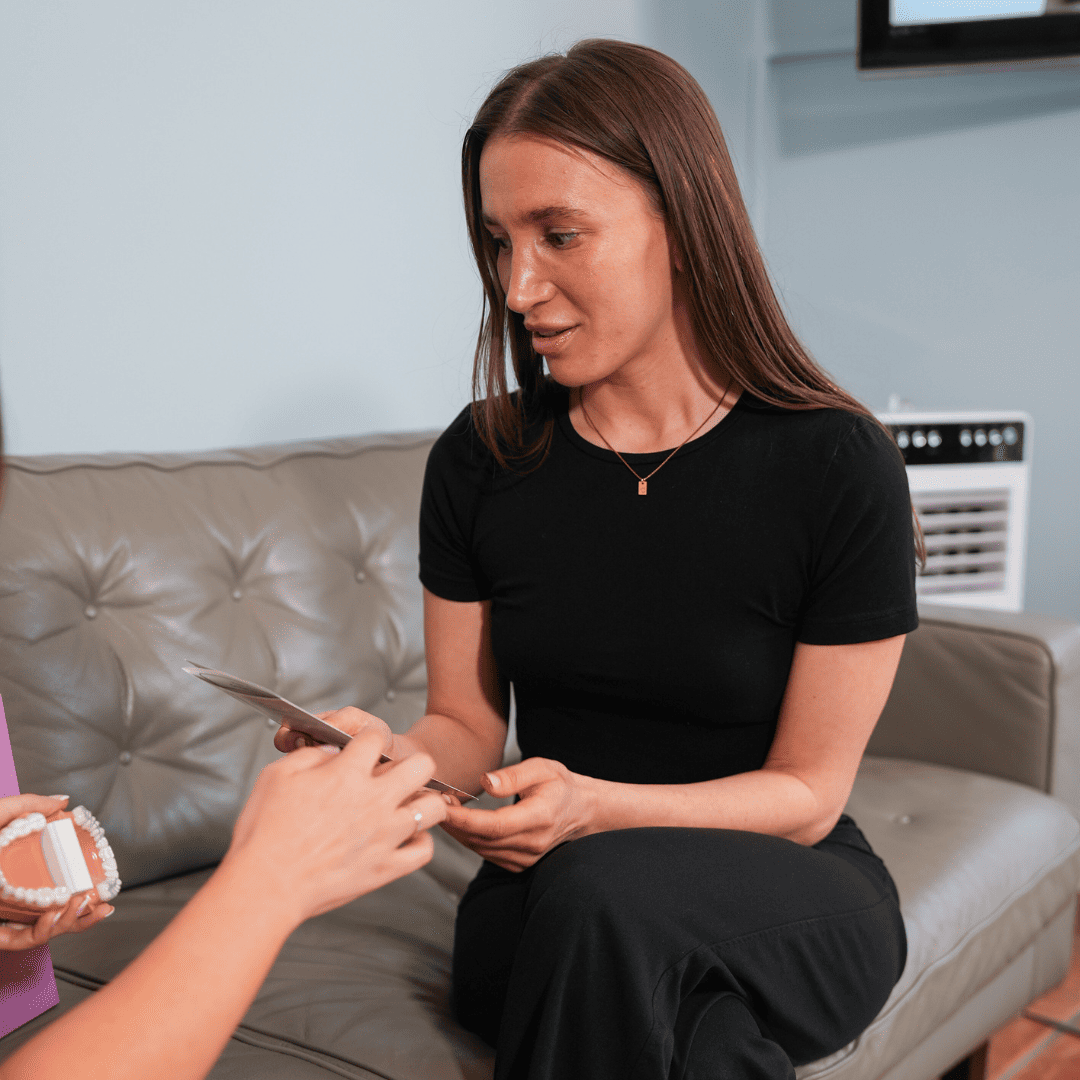
When you call with a concern, our reception team will listen carefully, ask a few questions and provide clear next steps. For urgent issues, we do our best to arrange a prompt assessment for relief and advice. Your dentist will discuss suitable options, with treatment options explained clearly so you know what will happen and why.

If you feel nervous about treatment, we offer sedation and relaxation for suitable cases, along with friendly reassurance and care at your pace. Our supportive approach is designed to make visits comfortable and manageable with modern private dentistry.

Self-Care Until Your Appointment

These simple steps can help while you wait to be seen. They are not a substitute for professional care.

  • Take over-the-counter pain relief as directed on the packet

  • Rinse with warm salt water to soothe irritated gums

  • Apply a cool compress to the cheek for swelling

  • Avoid very hot, cold or sugary foods if they trigger sensitivity

  • Use a soft toothbrush and brush gently around sore areas

  • Keep a knocked-out tooth moist in milk or saliva and seek urgent dental advice

Protecting Your Smile Between Visits

Most emergencies can be reduced with good daily care and regular check-ups. We support prevention with:

  • Regular general dentistry examinations to spot problems early

  • Professional dental hygiene care to help control plaque and protect gums

  • Personalised home care tips, fluoride advice and dietary guidance

With careful planning and consistent visits, you can maintain your long-term oral health and support a confident smile.

Unsure What To Do Right Now? Clear Next Steps

If you are experiencing severe pain, uncontrolled bleeding, swelling that affects breathing or swallowing, trauma or you feel unwell, please seek urgent professional or medical help.

For all other concerns, we are here to help with clear guidance and gentle care. If you are in Billericay or nearby in Essex and need advice or an appointment, contact our team. You can also find information about urgent appointments on our emergency dentistry page.

If you would like clear guidance or to arrange an appointment, please contact our team. We are happy to help with supportive advice and comfortable care.

Real Stories From Our Patients

quote

I cracked a molar late one evening. I called Grange Green first thing, and they got me in by 10am. Super kind and efficient!

Daniel, Grange Hill

quote

My daughter knocked out her tooth on the playground. They were amazing, calming her down and saving the tooth.

Marie, Chigwell

quote

Excellent service from start to finish. The team explained everything clearly and made me feel comfortable throughout.

Sarah, Woodford

quote

Quick appointment, friendly staff, and great results. I genuinely felt looked after the whole time.

Ahmed, Ilford

FAQs

We use cookies to improve your browsing experience. You can accept all, reject all, or manage your preferences.