


Children’s dentist in Billericay
 Contact us on:01277 627055
Children’s dentistry at Grange Green Dental Practice
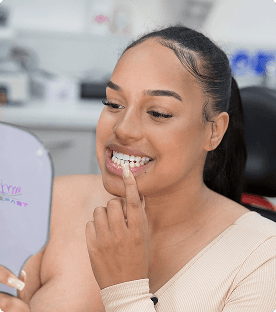
We understand that every child is different. Our team takes a calm, friendly and patient approach, helping children feel involved, reassured and supported during their appointment.
Appointments are tailored to your child’s age, confidence, comfort level and individual needs, with clear communication for both children and parents.

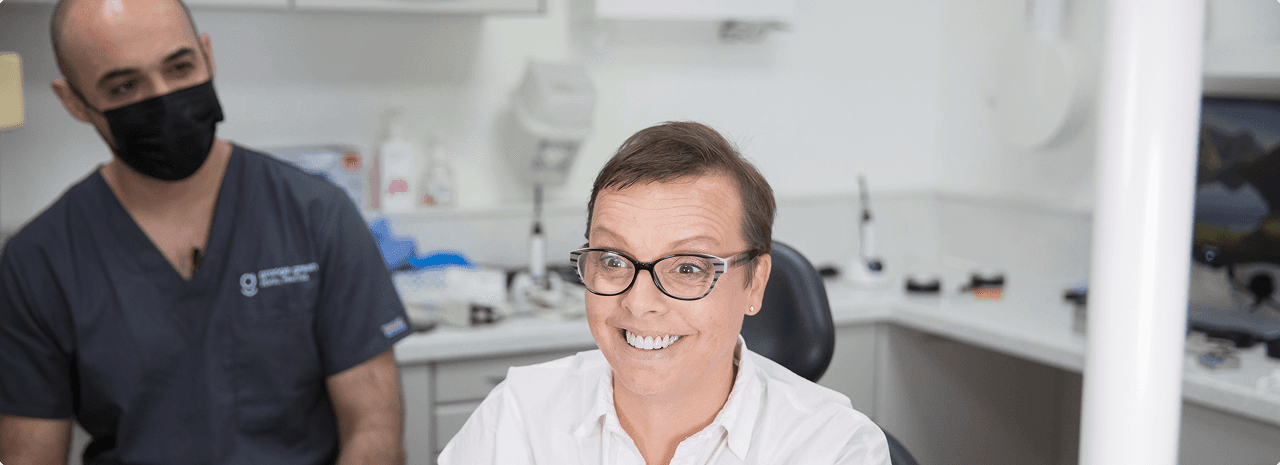
Why children’s dentistry is important
Children’s teeth play an important role in chewing, speech development and guiding adult teeth into the correct position. Early dental visits help children become familiar with the dental environment and give parents the chance to ask questions about brushing, diet and prevention.
Regular children’s dental appointments can help to:
- Identify early signs of tooth decay or gum concerns
- Support healthy development of adult teeth
- Encourage good brushing and dietary habits
- Help children feel more confident about dental visits
- Build positive routines from an early age
- Give parents clear, practical prevention advice
Children’s dentistry at Grange Green Dental Practice
We understand that every child is different. Our team takes a calm, friendly and patient approach, helping children feel involved, reassured and supported during their appointment.
Appointments are tailored to your child’s age, confidence, comfort level and individual needs, with clear communication for both children and parents.
Your child’s visit may include:
- Gentle dental examinations in a calm, welcoming environment
- Child-friendly explanations
- Preventive advice for parents and children
- Support for nervous or anxious children
- Guidance on brushing, diet and fluoride toothpaste
- A focus on education and confidence-building
Your Child’s Dental Journey
Helping children know what to expect can make dental visits a positive experience:


Friendly introduction
We take time to get to know your child and help them feel more familiar with the dental setting.


Gentle examination
Your child’s teeth and gums are checked carefully and gently, with explanations given in an age-appropriate way.


Preventive advice
We provide guidance on brushing, diet, fluoride toothpaste and oral care tailored to your child’s age and development.

Ongoing care
Regular check-ups help monitor growth, identify concerns early and build confidence around dental visits over time.
Healthy habits from an early age
Small daily habits can make a meaningful difference to children’s oral health. Our team can guide you on brushing, fluoride toothpaste, diet, regular check-ups and how to make dental visits feel more familiar for your child.
If you have concerns about your child’s teeth, gums, brushing routine or dental confidence, we are here to help with calm, practical advice.
Real Stories From Our Patients

“I love this place, I have 100% confidence in Lampros, he is so talented and passionate. I had a horrible time with my last dentist so appreciate it all the more! Lizzie on reception is a ray of sunshine. I wouldn't go anywhere else. Thank you!”
Nicola Everitt
“Excellent service. Kind, gentle and caring. All so pleasant and understaning. As a dentalphobic i wouldn't go anywhere else. Step by step informative appts highly recommended.”
fay nevett-moore
“I saw jasmine the hygienist today and I've never seen a proper hygienist before. Ive only ever had the old scale cleaning as part of a check up with my old NHS dentist. Well, I cannot beleive the difference between the slightly barbaric treatment I've endured over the years with my NHS dentist compared to how gentle Jasmine was today. My teeth have never felt this clean! She was so sweet, I absolutely reccomened her. ”
Iizzie Lips
“I was extremely impressed in the way the entire clinic shone on my recent emergency visit/treatment earlier today, the dentist and the entire staff were for want of a better word, "amazing" I would have no compunction returning and recommending to anyone and everyone I know”
Lord Saunders
“First time I’ve had an appointment with Jasmine the Hygienist, extremely thorough and completely pain free. Lizzie always friendly and efficient and I’ve just booked some work with Lampros. I’m happy to recommend.”
ivan painter
“Struggling with crazy anxiety, some times to the point I need a moment to walk through the door - every time I've entered, I've been welcomed by big smiles, and a welcoming atmosphere. All the staff are genuinely humble, reassuring, and listen to all of your concerns. I've never had such in depth, detailed examinations and explanations, knowing where I stand and what needs to be done. It's still a long journey for me, but they are making it easier each step of the way. Thank you 🙏🏻 ”
Shan
“WOW, the transformation is amazing, I am so pleased with the results. All staff are so welcoming and professional, my treatment was explained and care taken throughout. My dentist Tom really did what he said he would do, I have a straight teeth and a smile that I have wanted for years. I felt really emotional seeing my final results, I don't need to hide my smile anymore. I can't thank Tom and his team enough. Pictures to follow”
Haylily Bartlett
“Very happy with results. Went to get a broken tooth sorted and enquire about straightening my bottom teeth. After 5 months with Brace and a teeth whitening course I'm very happy with results and gone 3 shades whiter with straight teeth. Very friendly practice! Highly recommend ”
Mark
When should my child first see a dentist?
Children should visit the dentist when their first milk teeth appear, or before they are 12 months old. Early visits help children become familiar with the dental environment and allow parents to ask questions about brushing, diet and prevention.
Your dentist will advise how often your child should attend based on their age, oral health and individual risk factors.
Brushing advice for children
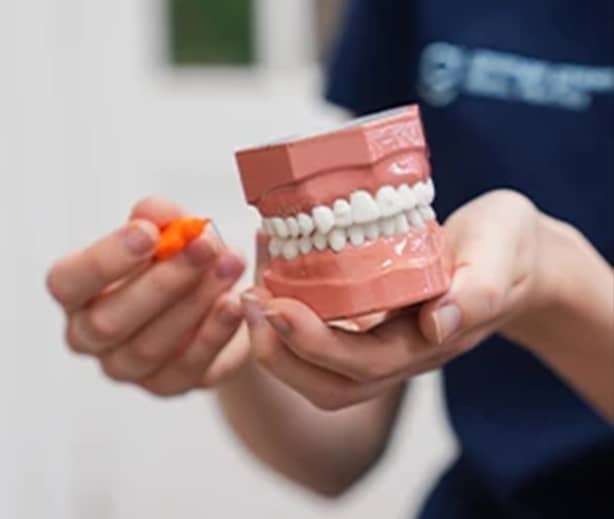
Children should brush twice a day with fluoride toothpaste, including last thing at night. Younger children need help and supervision with brushing, and many children continue to benefit from support until around the age of 7.
For children under 3, use a smear of fluoride toothpaste. For children aged 3 to 6, use a pea-sized amount. Encourage your child to spit after brushing and avoid rinsing, so the fluoride stays on the teeth for longer.
Food and drink advice for healthy teeth
How often children have sugary foods and drinks can affect their risk of tooth decay. Keeping sweet snacks and drinks to mealtimes where possible, encouraging water or milk, and building regular brushing habits can all help support children’s oral health.
Your dentist can give advice tailored to your child’s age, diet and routine.
Helping nervous children feel more comfortable
If your child feels nervous about dental visits, please let us know when booking. We can take time to explain things in an age-appropriate way, help them become familiar with the environment and move at a pace that feels manageable.
Dental pain or a broken tooth?
If your child has dental pain, swelling, a broken tooth or has had a dental injury, please contact the practice for advice. Our team can guide you on the next available appointment and whether urgent dental care may be needed.
Creating positive dental experiences for children
A positive early experience at the dentist can help shape how a child feels about dental care as they grow. Our aim is to make visits calm, informative and reassuring, without making children feel rushed.
By building trust early and involving parents in prevention advice, we can help children develop habits that support their oral health over time.


Why choose a family-focused dental practice?
Choosing a dental practice that understands children’s needs can help make appointments feel more familiar, calm and positive.
Benefits include:

A calm, welcoming environment
Gentle, age-appropriate care
Support for nervous children
Clear communication with parents
Practical advice on brushing, diet and prevention
Dentistry for Children FAQs