logo

Dental Implants Near Laindon

Carefully planned dental implant treatment to restore missing teeth, support everyday comfort and help you feel confident in your smile.

Contact Us At:01277 627055

Dental Implants For Patients From Laindon

If you live in Laindon and want a long term approach to replacing missing teeth, we offer assessment and tailored planning at our Billericay practice. Implants can support a single crown, an implant-supported bridge or a denture fixed to implants. New patients are welcome for a recorded consultation that explains the likely stages, temporary options and follow-up, so you can decide whether implant treatment suits your needs.

Dental implant consultation in Billericay
Assessment of dental implant suitability

Could Dental Implants Help You?

Dental implants are appropriate for many patients but not everyone. Typical situations where implants are considered include: - a single lost tooth where you want a fixed, discreet replacement that does not involve altering neighbouring teeth - several missing teeth in a row where an implant-supported bridge is preferable to using natural teeth as anchors - a loose denture that needs stabilising for everyday comfort and improved chewing - a failing or fully missing arch where full-arch implant treatments are an option for selected patients Suitability depends on current gum health, the amount and quality of jawbone, your bite, general medical history and lifestyle factors such as smoking. We also consider whether you can maintain the area with regular cleaning long term. Alternatives such as conventional bridges and dentures remain useful for some patients. A consultation will assess your situation and explain the options that fit your mouth and daily life.

Dental Implant Options

A dental implant is a small titanium fixture placed in the jaw to replace a tooth root and support a crown, bridge or denture. Below are the main clinical pathways we plan and restore.

Single Tooth Implants

A single implant supports an individual crown for one missing tooth without altering adjacent teeth. Crowns are shaped and shaded to match your natural teeth for a discreet result. This preserves neighbouring tooth structure and restores normal chewing in that area.

Implant-Supported Bridges

When several teeth in a row are missing, two or more implants can carry a bridge. This restores function and appearance while avoiding the need to prepare healthy teeth as bridge supports. Planning focuses on accurate implant position and occlusion to achieve stable support and even bite forces.

Implant-Retained Dentures

Implant-retained dentures clip onto implants and remain removable for cleaning. They provide better stability and a stronger bite than conventional dentures, and they allow straightforward maintenance or later adjustments. The implant-retained dentures section on our site explains common designs and care.

Full-Arch Dental Implants

Full-arch solutions replace most or all teeth on an upper or lower jaw for selected patients. These treatments follow a distinct planning pathway with detailed imaging and staged coordination between surgical placement and restorative work. Clinical approaches to full-arch dental implants are explained in the full-arch dental implants section.

Alternatives such as conventional bridges and dentures remain useful for some patients. A consultation will assess your situation and explain the options that fit your mouth and daily life.

Stages of dental implant treatment

Your Dental Implant Journey

Initial Implant Assessment

The first appointment records your medical history, reviews medications and examines teeth, gums and bite. We assess bone levels and the surrounding soft tissues and explain how these findings influence implant options. When required, we will recommend further imaging such as X-rays or a CBCT scan to view the jaw anatomy before a definitive plan is made.

Bespoke Treatment Planning

You will receive a written plan that sets out recommended stages, alternatives and estimated timings. The plan explains any preparatory gum care, extractions or grafting that may be needed and describes temporary teeth to be used during healing. We also outline follow-up visits and who will carry out each part of treatment.

Implant Placement And Healing

Placement is typically performed under local anaesthetic. The implant is positioned in the jaw and left to integrate with bone while the site heals. Healing time varies; temporary restorations are provided when needed to maintain appearance and chewing. We explain post-operative care and the signs to watch for during recovery.

Restoration And Long-Term Care

Once integration is confirmed, the final crown, bridge or denture is fitted and adjusted for comfort and bite. Long-term care includes regular clinical reviews and professional hygiene visits to protect the supporting gums and bone. We plan maintenance to detect early changes and advise on protective measures for people who grind their teeth.

Dental Implants At Grange Green Dental Practice

  • Detailed clinical assessment of teeth, gums, bone and bite before any treatment decision.
  • Clear explanation of implant options, stages and suitable alternatives for your mouth.
  • Coordinated scheduling between assessment, surgical placement and restorative appointments.
  • Custom restoration design focused on appearance, function and the health of adjacent teeth.
  • Long-term review and hygiene protocols to detect and manage changes early.

Many patients from Laindon find this structured approach reassuring because it sets out predictable stages and ongoing care. The general implant information section helps you prepare for a consultation.

Factors affecting implant planning

What May Affect Your Implant Treatment Plan

Gum health is essential. Active gum disease must be stabilised before implants are placed because healthy soft tissues support the restoration. The amount and quality of jawbone determines implant position and whether grafting or additional assessment is needed. Smoking slows healing and raises the risk of complications. Medical conditions and some medications, for example uncontrolled diabetes or drugs that affect bone metabolism, influence planning and may require liaison with your GP. Teeth grinding or a heavy bite can dictate the type of restoration and often leads us to recommend protective measures after treatment. Timing since tooth loss matters because recent extraction sites behave differently to long-standing gaps. Some patients proceed straight to placement; others need preparatory gum or bone care. Temporary teeth are available during any preparatory or healing period to maintain appearance and chewing.
Caring for dental implants

Caring For Your Dental Implants

Daily home care includes brushing the crown or bridge and cleaning between the restoration and adjacent teeth with interdental brushes or floss designed for implants. Aim to clean at least once a day between the implant restoration and neighbouring teeth, and brush twice daily using a low-abrasive toothpaste. Professional hygiene appointments remove plaque where home care cannot reach and allow monitoring of gum and bone health. At review appointments we check the bite, the condition of the restoration and implant stability, and we will advise on splints or night guards where grinding is present. If you notice bleeding, persistent swelling, ongoing discomfort, an unusual taste or any movement of a crown, bridge or denture, contact the practice promptly so we can assess the situation. The professional hygiene appointments section explains routine cleaning and clinical hygiene support.

Your Dental Implant Consultation In Billericay

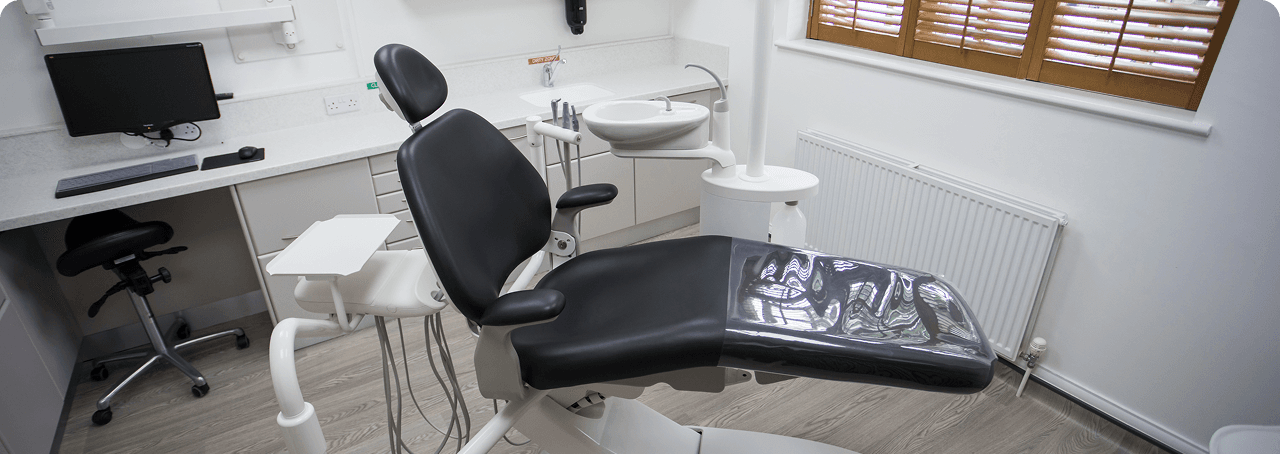
At your consultation at 42 Grange Road, Billericay, Essex, CM11 2RG we examine your mouth, review your bite and take a full medical-history record to identify factors that may affect treatment. We discuss your priorities and explain whether further imaging such as a CBCT scan is recommended. Where relevant we will describe how individual crowns or bridges will match appearance and function and who will carry out each stage of treatment.

Patients from Laindon can use the consultation to ask questions, understand the likely treatment stages and discuss any further assessment that may be needed before deciding how to proceed.

Opening HoursMonday - Friday: 8:30 - 17:00Bank Holidays & Weekends: Closed

Get In Touch With Us

Book A Dental Implant Consultation

To arrange a consultation, call or email the practice. We will review your mouth, explain the options and provide a written plan that suits your needs.

Happy family

FAQs

Dent
dent
dent
Finalist
Recommended
Award 2019
Award 2019
Award 2019

We use cookies to improve your browsing experience. You can accept all, reject all, or manage your preferences.