logo

Dental Implants Near Pitsea

Carefully planned dental implant treatment to restore missing teeth, support everyday comfort and help you feel confident in your smile.

Contact Us At:01277 627055

Dental Implants For Patients From Pitsea

If you live in Pitsea and are missing one or more teeth, dental implants can provide a long-term foundation for a crown, bridge or denture to restore chewing and appearance. New patients are welcome at our Billericay practice where implant care is tailored to your gums, bone and overall health. If you would like a closer look at the clinical approach and implant types we offer, consider the dental implants information.

Dental implant consultation
Assessment of suitability for implants

Could Dental Implants Help You?

Implants suit many situations: replacing a single lost tooth, bridging several adjacent gaps, stabilising a loose denture or providing fixed teeth across an arch. Whether implants are appropriate depends on gum health, the amount and quality of jawbone, how your bite meets and any medical issues or medications that affect healing. Smoking and heavy grinding can change the plan, and you must be able to clean around the implant. If implants are not appropriate, we will explain alternatives such as conventional bridges or removable dentures so you can choose with your clinician.

Dental Implant Options

A dental implant is a small titanium anchor placed in the jaw to replace a missing tooth root and give a stable base for a crown, bridge or denture.

Single Tooth Implants

A single implant supports one crown and replaces a missing tooth without altering adjacent teeth. This preserves natural tooth structure and restores appearance and function in the space.

Implant-Supported Bridges

Two or more implants can support a bridge to replace several neighbouring missing teeth. This avoids taking support from healthy teeth and spreads chewing forces across the implants.

Implant-Retained Dentures

Implant-retained dentures clip onto implants and remain removable for cleaning. They give much greater stability than conventional dentures while still allowing easy removal for hygiene.

Full-Arch Dental Implants

Full-arch treatment replaces most or all teeth in an upper or lower jaw and follows a different assessment and planning pathway for suitable patients. Some patients can have fewer implants to support a fixed bridge depending on bone and bite. Consider the full-arch dental implants approach when this option is being considered.

If implants are not appropriate, we will explain alternatives such as conventional bridges or removable dentures so you can choose with your clinician. Alternatives are discussed during planning and we will outline temporary replacement options as needed. For removable denture options see the removable dentures information.
Stages of dental implant treatment

Your Dental Implant Journey

Initial Implant Assessment

The first appointment is a clinical review of teeth, gums and how your jaws meet. We take a medical-history review and discuss your expectations. Additional imaging such as dental X-rays or a CBCT scan may be arranged to assess bone volume and to plan precise implant positions.

Bespoke Treatment Planning

We produce a written plan that sets out the proposed stages, likely restorations and any preparatory care required. The plan explains whether temporary teeth are likely during treatment, the expected timing and alternative approaches if circumstances change. The plan also notes any grafting or soft-tissue procedures that may be needed so you can understand each stage before treatment begins.

Implant Placement And Healing

Implant placement is usually performed under local anaesthetic. The implant is inserted into the jaw and left to integrate with the bone over a healing period. Some patients receive a temporary restoration during healing, others follow a staged approach if grafting or soft-tissue work is required. We explain local anaesthesia, immediate postoperative care and what to expect during integration.

Restoration And Long-Term Care

When healing is sufficient, a final crown, bridge or denture is fitted and adjusted for appearance and bite. Long-term success depends on regular clinical checks and effective home cleaning. We will agree a review and hygiene schedule and explain how to protect the restoration and surrounding tissues.

Dental Implants At Grange Green Dental Practice

  • Detailed pre-treatment assessment of teeth, gums and bone to guide realistic options.
  • Clear discussion of implant and non-implant choices so you can weigh benefits and limitations.
  • Coordinated planning with appropriate imaging and a written treatment programme.
  • Restoration design that balances chewing function, appearance and ease of cleaning.
  • Long-term monitoring with regular review appointments and hygiene support.

Patients from Pitsea appreciate this structured approach because it clarifies each stage before treatment starts.


Factors that influence implant planning

What May Affect Your Implant Treatment Plan

Gum health is essential, untreated periodontitis should be stabilised before implants are placed. The quantity and quality of jawbone determine implant position and whether grafting or sinus procedures are necessary. Smoking and certain medical conditions or medications can influence healing and are discussed during planning. Teeth grinding and an uneven bite increase forces on implants and may require protective measures such as a night guard. The time since tooth loss matters because long-standing gaps can reduce bone volume. When preparatory work is required, we will explain temporary replacement options such as removable dentures or provisional restorations so you are comfortable while treatment progresses.
Implant aftercare and hygiene

Caring For Your Dental Implants

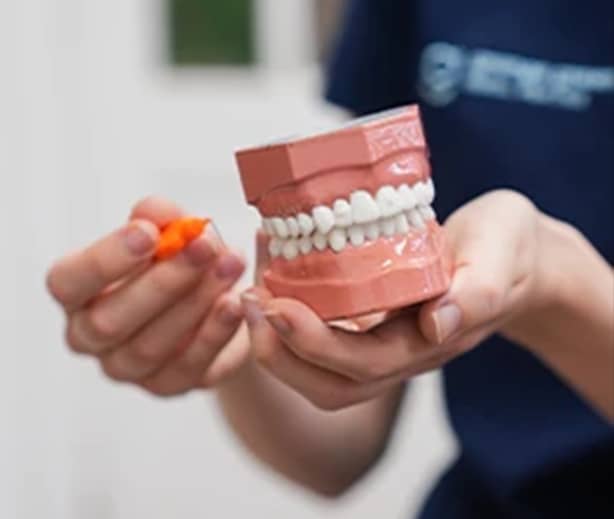
Daily care mirrors that for natural teeth: brush twice daily and clean between the implant restoration and neighbouring teeth with interdental brushes or floss as recommended. Use interdental brushes sized to the space under or around the restoration, and carry out regular professional hygiene appointments to remove plaque and assess the tissues around the implant. During reviews we check gum health, monitor the bite and ensure the restoration remains stable. Contact the practice if you notice bleeding, swelling, ongoing discomfort, an unusual taste or if a restoration feels loose so we can assess the issue promptly. Examples of patient cases are shown in the smile gallery.

Your Dental Implant Consultation In Billericay

At your implant consultation at 42 Grange Road, Billericay, Essex, CM11 2RG we will examine your teeth and gums, assess how your bite meets, review your medical history and discuss your treatment goals. We explain what imaging or tests may be needed to assess bone and soft tissue and provide a clear written plan that sets out likely stages and temporary restoration options.

Patients from Pitsea can use the consultation to ask questions, understand the likely treatment stages and discuss any further assessment that may be needed before deciding how to proceed.

Opening HoursMonday - Friday: 8:30 - 17:00Bank Holidays & Weekends: Closed

Get In Touch With Us

Book A Dental Implant Consultation

To arrange a consultation, book online or call the practice to discuss appointment options and what to bring. The consultation explains the likely imaging and tests, sets out a written treatment plan and covers temporary restoration choices where relevant.


Happy family

FAQs

Dent
dent
dent
Finalist
Recommended
Award 2019
Award 2019
Award 2019

We use cookies to improve your browsing experience. You can accept all, reject all, or manage your preferences.